Your air conditioner doesn’t usually fail all at once. It gives you warning signs first. The problem is, most homeowners in San Antonio don’t recognize those signs until the system stops working entirely on a 100-degree July afternoon. After 30 years of servicing AC systems across South Texas, the Murray Air Conditioning team has seen the same patterns repeat. Here’s what to watch for before you end up without cool air in the worst possible heat.
Your Energy Bills Keep Climbing for No Clear Reason
If your electric bill jumped 20-30% compared to the same month last year and nothing else changed, your AC system is the first place to look. An aging or failing system has to work harder to hit the same temperature, which means it runs longer and draws more power.
What to check first
Compare your last three summer bills against the same period from previous years. A gradual climb could mean the system is losing efficiency. A sudden spike usually points to a specific problem like a refrigerant leak, a failing compressor, or a dirty coil that’s been ignored too long.
The System Runs Constantly but Never Gets Cool
An AC unit that runs nonstop but can’t drop the temperature to your thermostat setting is struggling. In South Texas summers, that’s a real problem. Short-cycling is the opposite issue, the unit kicks on and off every few minutes without completing a full cooling cycle.
Both patterns put enormous stress on the compressor, which is the most expensive component in the system. If the compressor goes, the repair bill can easily rival the cost of a full replacement.
You're Hearing Sounds the System Didn't Make Before
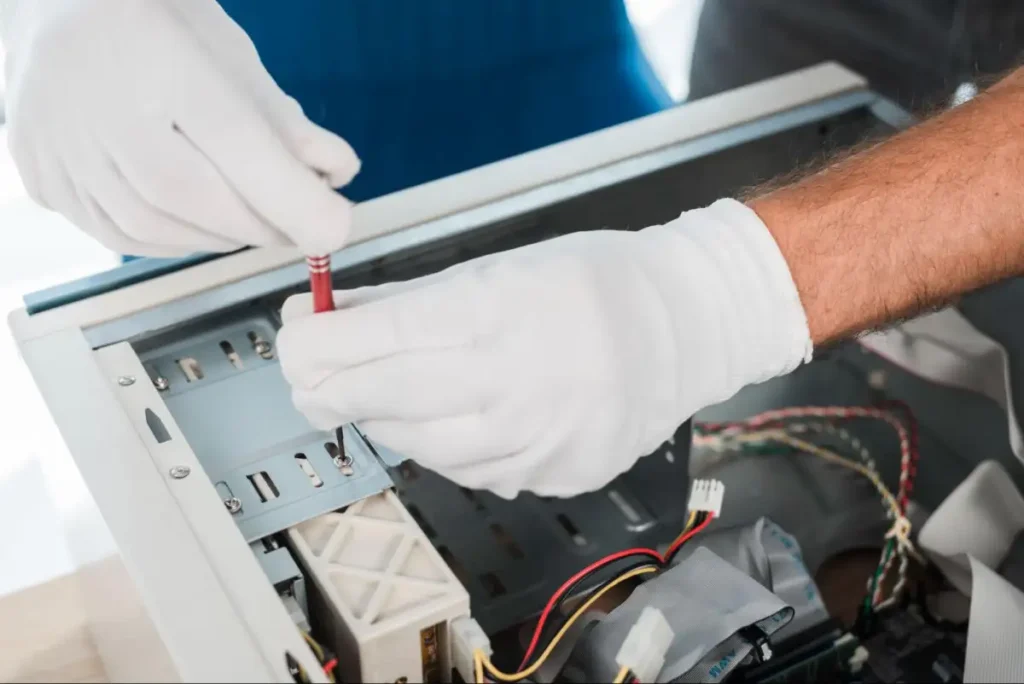
AC units are not silent, but they should be relatively consistent. New noises are your system telling you something is wrong.
Banging or clanking usually means a loose or broken part inside the air handler or compressor housing. Grinding often points to failing motor bearings. Hissing or bubbling is a common sign of a refrigerant leak, which not only kills cooling performance but can also damage the compressor if left unchecked.
Any of these sounds warrants a service call. Ignoring them rarely leads anywhere good.
The System Is More Than 12-15 Years Old
The average AC system in a South Texas home lasts somewhere between 12 and 18 years, depending on how hard it runs and how well it’s been maintained. San Antonio summers are brutal on equipment, units here often log more operating hours per year than systems in cooler climates.
If your system is past the 12-year mark and you’re looking at a repair bill over $1,500, it’s worth doing the math. A unit that’s already aging will likely need another repair within a year or two. At some point, continued repairs cost more than a new system would.
Repair vs. Replace: A Simple Way to Think About It
The HVAC industry uses a basic calculation called the 5,000 rule. Multiply the age of the system by the estimated repair cost. If that number exceeds $5,000, replacement is usually the smarter move financially.
Example: A 10-year-old system with a $600 repair = 6,000. That tips toward replacement. A 5-year-old system with the same $600 repair = 3,000. Repair makes sense.
There’s also the efficiency angle. Systems manufactured before 2006 operate at much lower SEER ratings than current models. Replacing an old unit with a new high-efficiency system can cut your cooling costs by 20-40%, which offsets the investment over time.
What to Do If You're Seeing These Signs
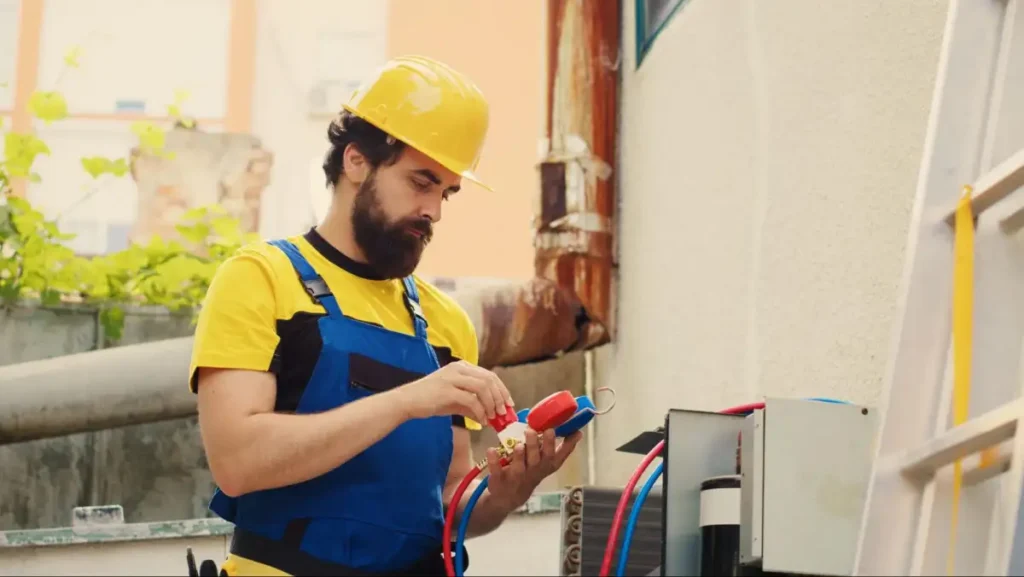
Don’t wait until the system quits. Call a licensed technician to diagnose the issue while the unit is still running. A good diagnostic visit gives you honest information about what’s actually wrong, what it will cost to fix, and whether repair or replacement makes more sense for your situation.
Murray Air Conditioning has offered AC services across San Antonio and South Texas since 1995. We’ll give you a straight answer, not a sales pitch. If your system can be repaired affordably, we’ll tell you. If it can’t, we’ll show you why and walk you through replacement options that fit your budget. Contact us to schedule a diagnostic visit.
Frequently Asked Questions
Most HVAC companies in the San Antonio area charge between $75 and $150 for a diagnostic visit. At Murray Air Conditioning, that fee gets applied toward the repair if you move forward with the service. You’re paying for answers, not just a truck in the driveway.
It depends on the sound. A faint hum or occasional click is usually normal. Banging, grinding, or hissing are not. Running a system that’s grinding or hissing can turn a $300 repair into a $1,500 one in a matter of days. If you’re unsure, turn it off and call a technician before you run it again.
Compressor failure. A compressor replacement typically runs $1,200 to $2,500 depending on the unit, and on an older system, it often doesn’t make financial sense to do it. Most compressor failures are preventable with regular maintenance and catching refrigerant leaks early.
It depends on the repair cost and the condition of the rest of the system. A 10-year-old unit with a minor repair under $500 is usually worth fixing. The same unit facing a compressor replacement or major refrigerant leak repair is borderline. Use the 5,000 rule mentioned above as your starting point, then talk to a technician you trust.