You bought a system rated to last 15 to 20 years. Ten years in, it’s already struggling. You’re not doing anything wrong, and the manufacturer wasn’t lying to you. The problem is that those lifespan estimates were built around national averages, and Texas is nowhere near average when it comes to what it puts an air conditioner through.
Here’s what’s actually happening to your system.
Your AC Runs Twice as Many Hours as Systems in Other States
A typical residential AC system in a moderate climate runs somewhere between 1,000 and 1,400 hours per year. In Texas, that number climbs to over 2,200 hours annually. In a place like La Vernia, where you’re running the system from late March through October, that gap is real.
That runtime difference compounds fast. A 10-year-old Texas system has accumulated wear closer to what a 13 to 15-year-old system would look like in a milder climate. The components doing the hardest work, compressors, capacitors, contactors, and fan motors, don’t count calendar years. They count hours under load. More hours mean faster wear, and Texas loads them up faster than almost anywhere else in the country.
Heat Alone Isn't the Problem. Humidity Makes It Worse.
When the temperature outside hits 95 degrees, your AC is already working at or near maximum capacity to keep your home cool. Add South Texas humidity to that picture and the system isn’t just fighting heat anymore. It’s pulling gallons of moisture out of the air at the same time.
That dual workload puts serious strain on the evaporator coil and the blower motor. When those components are running hard day after day to manage both temperature and humidity, they wear down faster than the design specs anticipated. A system that handles a dry 95-degree day and one that handles a humid 95-degree day are doing meaningfully different amounts of work, even if the thermostat reads the same.
Homeowners feel this as the house never quite feeling comfortable even when the AC is running. The system is hitting the temperature target but losing the battle against moisture. That’s often an early sign that capacity is degrading.
The Compressor Takes the Worst of It

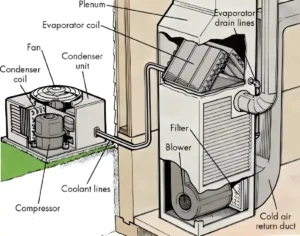
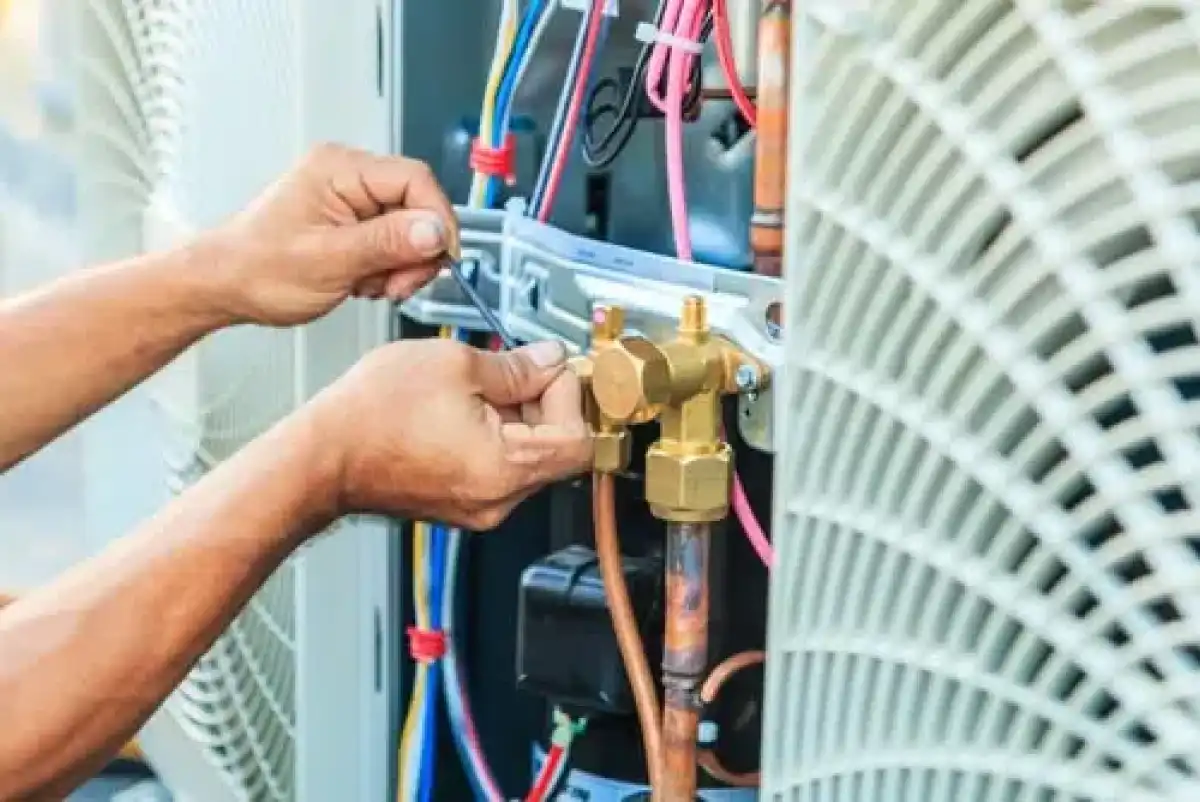
The compressor is the most expensive component in your system and the one most likely to fail first in a Texas climate. It works by compressing refrigerant under high pressure, and the hotter the outdoor temperature, the harder it has to work to push heat out of your home through the condenser coils outside.
During a stretch of 100-degree days, which the San Antonio area sees every summer, the compressor may run for hours at a stretch without the cycling breaks that allow it to cool down. Over the years, that sustained high-pressure operation causes bearing wear and electrical degradation that don’t show up on a diagnostic until the compressor is already close to failing.
When a compressor goes out on a system that’s 10 years or older, the repair-versus-replace math almost always points toward a new system. A compressor replacement on an aging unit can run $1,500 to $2,500, and it doesn’t reset the wear on everything else that’s been running just as hard for the same decade.
Dust, Pollen, and the Condensate Drain
Texas air carries a heavy load of dust and pollen, and your AC pulls all of it through the system continuously. Dirty coils and clogged filters force the system to work harder to move the same amount of air, adding to the overall strain on components that are already logging serious hours.
The condensate drain is a specific problem worth knowing about. As your system pulls humidity out of the air, it produces a steady flow of water that exits through the drain line. In the off-season, algae and debris build up in that line. When you fire the system up in spring and it starts pulling heavy moisture out of humid Texas air, a clogged drain can back up fast. That triggers a safety shutoff, causes water damage to ceilings and walls, or both. It’s one of the most common reasons for early-season service calls and one of the easiest things to prevent with a fall maintenance visit before you shut the system down.
What This Means for Maintenance and Replacement Planning

None of this means your system is doomed at the 10-year mark. Plenty of well-maintained Texas units run to 13 or 14 years without major issues. But it does mean the national averages on the manufacturer’s spec sheet don’t apply to your situation, and planning around them is how people get caught with a dead system during a July heat wave.
A twice-yearly maintenance visit, once in spring before the heat hits and once in fall after the season ends, gives a technician the chance to catch what’s wearing down before it becomes an emergency. Catching a failing capacitor in April costs a few hundred dollars and keeps your summer intact. Catching a dead compressor in August costs a lot more, in both repair costs and comfort.
Murray Air Conditioning has been servicing South Texas homes since 1995, which means their technicians have seen every way this climate punishes an AC system. They’re locally owned, based in La Vernia, licensed and insured, and currently carry a 4.9-star rating across more than 659 reviews. If your system is approaching 10 years old, they can tell you honestly where it stands and whether you’re better off planning a replacement on your timeline rather than the system’s. Right now they’re also offering $250 off new AC installations for homeowners who are ready to move forward.
Schedule an online appointment today to get an assessment before the summer heat makes the decision for you.