You can hear the system running. The fan is blowing. But the air coming out of your vents is warm, or barely cool, and your house keeps getting hotter. This is one of the most common AC problems we see in San Antonio, and it tends to spike between May and September when systems are under the most stress.
At Murray AC, we’ve been diagnosing this exact issue in South Texas homes since 1995. Some causes you can fix yourself in five minutes. Others need a technician. Here’s how to tell the difference.
Check the Easy Stuff First
Before you call anyone, rule out the basics. You'd be surprised how often the fix is something simple that got overlooked.
Start with your thermostat. Make sure it's set to "cool" and not "fan only." Fan mode circulates air without actually cooling it, and it's easy to bump the setting without realizing. Check that the set temperature is below the current room temperature by at least a few degrees.
Next, check your air filter. A clogged filter restricts airflow to the point where your system can’t cool properly, even though it’s running full speed. In South Texas, filters need replacing every 30 to 45 days during summer. Pull yours out and hold it up to a light. If you can’t see through it, swap it.
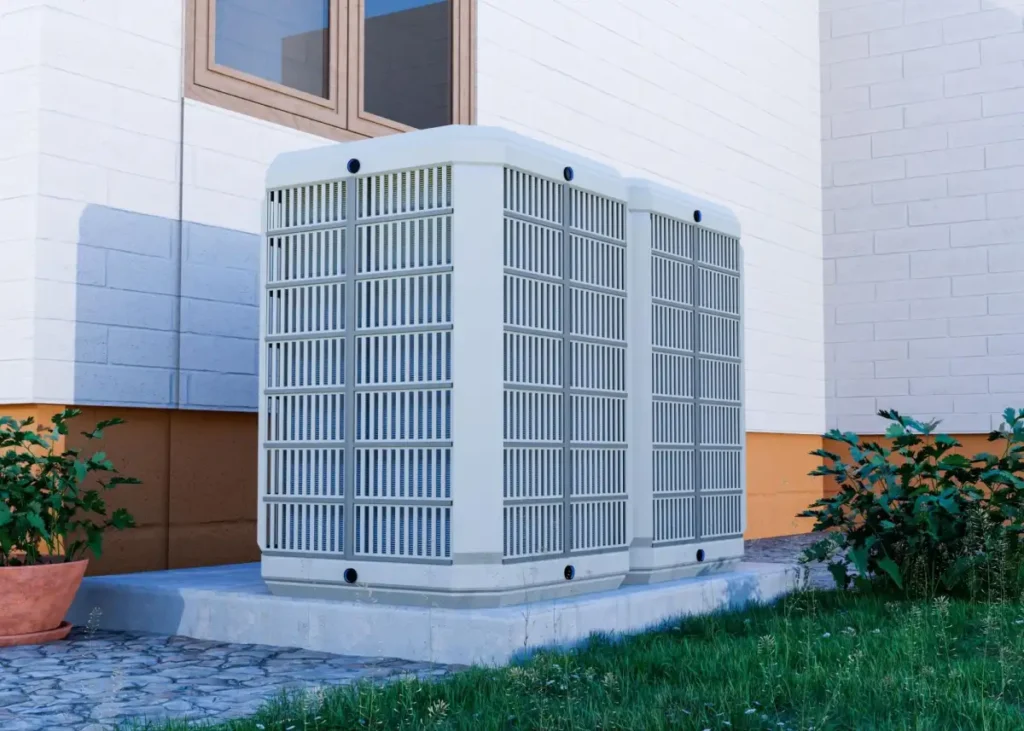
Then check your outdoor unit. Go outside and look at the condenser. Is it buried in leaves, mulch, or landscaping debris? Are the fins caked with dirt? The condenser needs clear airflow on all sides to dump heat. Give it at least two feet of clearance and hose down the fins if they're dirty.
Refrigerant Leaks
If the simple fixes don't solve it, low refrigerant is one of the most likely culprits. Your AC doesn't consume refrigerant the way a car burns gas. If the level is low, there's a leak somewhere in the system.
Signs of a refrigerant leak include ice forming on the refrigerant lines or evaporator coil, a hissing or bubbling sound near the indoor unit, and air that starts out cool when the system kicks on but gets progressively warmer. Your system may also run nonstop without ever reaching the set temperature.
This is not a DIY fix. Refrigerant handling requires EPA certification, and simply topping off the charge without fixing the leak means you'll be in the same spot again within weeks. A technician needs to locate the leak, repair it, and recharge the system to the manufacturer's specifications.
Frozen Evaporator Coil
A frozen coil sounds counterintuitive when your house feels warm, but it's a common cause. When the evaporator coil ices over, it can't absorb heat from the air passing over it. Your system runs, air blows, but nothing gets cooled.
Several things cause a coil to freeze. Low refrigerant drops the coil temperature below freezing. A dirty filter reduces airflow enough to do the same thing. A failing blower motor that can't push enough air across the coil will also trigger it.
If you see ice on the indoor unit or refrigerant lines, turn the system off and switch the fan to "on" to let it thaw. This can take a few hours. Don't try to chip the ice off, as you can damage the coil fins. Once it's thawed, replace the filter and try running it again. If it freezes a second time, there's a deeper issue that needs professional diagnosis.
Dirty Condenser Coil
The outdoor condenser is where your system releases the heat it pulled out of your house. When that coil is coated in grime, the heat has nowhere to go. Your system works harder and harder but can't keep up.
San Antonio's mix of dust, pollen, and cottonwood fluff coats condenser coils faster than in most climates. A quick hose-down helps for surface dirt, but if the coil hasn't been professionally cleaned in over a year, the buildup between the fins needs more than water pressure. It needs a coil cleaner and a careful flush from the inside out.
This is one of the things covered during a routine maintenance visit. Annual coil cleaning alone can improve your system’s cooling output noticeably.

Electrical and Compressor Issues
If your system is blowing air but the compressor isn't engaging, you'll get nothing but room-temperature air from the vents. The compressor is the part that actually pressurizes the refrigerant and makes cooling possible.
A tripped breaker can shut down the outdoor unit while the indoor fan keeps running. Check your electrical panel for a tripped breaker on the AC circuit. Reset it once. If it trips again, stop there. Repeated tripping usually means a short or a failing component, and forcing it back on can cause more damage.
Capacitor failure is another common cause in South Texas. Capacitors help start the compressor and fan motors, and they wear out faster in extreme heat. A failing capacitor might cause the outdoor unit to hum without starting, or the fan might spin while the compressor sits idle. Capacitors are inexpensive parts, but replacing them involves working with stored electrical charge, so this is a job for a technician.
Compressor failure itself is the most expensive scenario. Replacing a compressor typically runs $1,500 to $2,800 depending on the unit. In older systems (12+ years), an AC replacement often makes more financial sense than a compressor swap.
Ductwork Problems
Sometimes the AC is cooling fine, but the cold air never makes it to your rooms. Leaky or disconnected ductwork in the attic is a common problem in older South Texas homes, and attic temperatures here regularly hit 140 degrees Fahrenheit in summer. Cool air passing through a damaged duct in that environment warms up fast.
Signs of duct problems include uneven cooling between rooms, certain vents blowing weaker than others, and higher-than-expected energy bills. If you can safely access your attic, look for obvious gaps, disconnected joints, or ductwork that's sagging and kinked.
Duct sealing and insulation repairs can make a measurable difference in how well your home cools, especially in single-story homes with long duct runs through the attic.
When to Call for a Repair
If you've checked the filter, thermostat, and breaker and the problem persists, it's time for a professional diagnosis. Running a system that isn't cooling properly wastes energy and can cause secondary damage to the compressor and other components.
Murray Air Conditioning serves San Antonio and the surrounding South Texas area. We’ll find the actual cause, give you a straight answer on the fix, and get your home cool again. Schedule a service call or call us at 726-232-4437.
Frequently Asked Questions
The most common causes are a dirty filter restricting airflow, low refrigerant from a leak, or the outdoor unit not running due to a tripped breaker or failed capacitor. Start by checking the filter and breaker before calling for service.
No. Refrigerant handling requires EPA certification, and the leak itself needs to be located and repaired before recharging. Topping off refrigerant without fixing the leak is a temporary fix that wastes money.
If the outdoor fan is spinning but the compressor isn't running, you'll hear the fan but feel only warm air inside. The unit may also make a humming or clicking sound without starting. A technician can confirm with electrical testing.
Daytime heat loads in South Texas can overwhelm a system that's undersized, low on refrigerant, or has a dirty condenser coil. The system keeps up when outdoor temps drop at night but falls behind when the heat peaks in the afternoon.
It depends on the age of the system and the cost of the repair. If your system is under 10 years old and the repair is under $500, fixing it usually makes sense. If it's 12+ years old and facing a major repair like a compressor replacement, a new system often costs less over the next five years.