Most business owners think about their HVAC system twice a year, when the first summer heat wave hits and the system struggles to keep up, and when the repair invoice arrives. The real cost of a commercial HVAC failure rarely shows up on a single line item. It spreads across your energy bill, your employees’ output, your customers’ experience, and eventually your equipment replacement budget. By the time it’s visible, you’ve already absorbed most of it.
Here’s an honest breakdown of what’s actually at stake.
The Repair Bill Is the Smallest Part of It
Commercial HVAC service calls come with premium pricing. When every contractor in the San Antonio area is fully booked during a July heat wave, you’re competing with dozens of other businesses for limited availability. A technician who could reach you in a few hours during April might be two days out in August. Parts ordered on an emergency basis cost more than parts ordered ahead of schedule. Labor rates for after-hours and urgent calls run higher than standard rates.
That’s the part of the bill you can see. The part you can’t see is what’s happening to your business while you wait.
What Your Employees Actually Cost You When the AC Goes Down
A 100-person office with a failed AC system on a South Texas summer afternoon isn’t a mildly uncomfortable situation. It’s a productivity problem with a dollar figure attached. Bureau of Labor Statistics data puts average private sector employee compensation at roughly $48 per hour. A 10% productivity reduction across a 100-person workforce translates to nearly $480 in lost output per hour, and close to $4,000 over a full workday. That’s before anyone goes home early.
Some employees can push through discomfort for a few hours. Few can sustain full output when the indoor temperature climbs past 85 degrees and stays there. The research is consistent on this: heat stress reduces cognitive performance, increases error rates, and accelerates fatigue. In roles that require precision, customer contact, or extended focus, the impact compounds quickly.
Customers Notice Before You Do
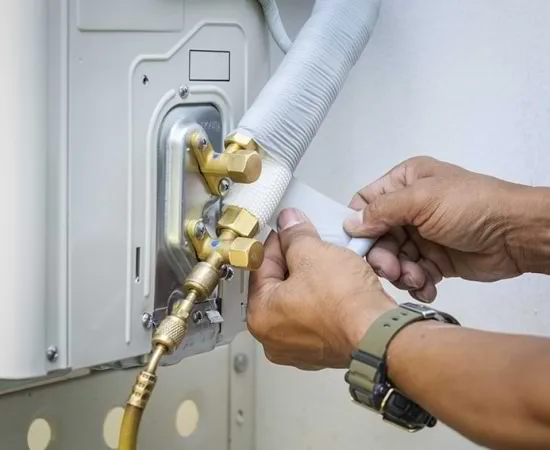
For any business with a customer-facing space, a failing HVAC system is a customer experience problem before it’s an equipment problem. Customers make fast decisions about whether to stay or leave based on how a space feels, and an overheated or stuffy environment signals neglect whether you intend it to or not. A waiting room at 78 degrees feels acceptable. The same room at 83 degrees with poor airflow feels like a business that doesn’t have its act together, and that impression doesn’t reset when the repair truck shows up.
In South Texas, where businesses compete hard for repeat customers, the impression your building makes matters. A comfortable, well-maintained environment signals that you run a tight operation. A hot, stuffy one signals the opposite, even if everything else about your service is excellent.
The Energy Bill You're Paying Right Now
A commercial system running with dirty coils, clogged filters, or low refrigerant doesn’t just risk failure. It runs inefficiently every single day, drawing more power than it should to hit the same setpoint. That inefficiency doesn’t show up as a single invoice. It shows up as a slightly higher utility bill every month for years, and in South Texas, where the system runs eight to ten months a year, that adds up.
For a South Texas business running its system eight to ten months a year, that inefficiency adds up to a meaningful line item on every monthly utility bill. It’s a cost that’s easy to miss because it builds slowly, but it’s real money leaving your operation every month.
What Deferred Maintenance Does to Equipment Life
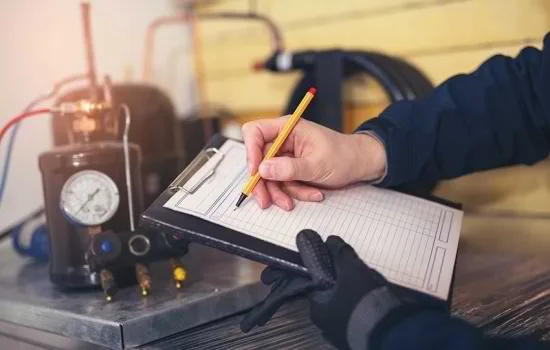
A well-maintained commercial HVAC system lasts 15 to 20 years. One that runs without consistent service often needs replacement in under a decade. Commercial systems represent a significant capital investment, often ranging from $10,000 to well over $50,000 depending on building size and system complexity. Cutting that lifespan in half by skipping maintenance doesn’t save money on service calls. It moves a major capital expense years forward on your timeline.
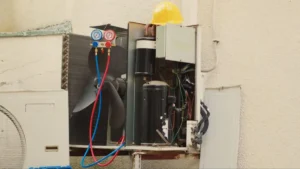
The individual components that fail first under deferred maintenance are the same ones that cost the most to replace: compressors, heat exchangers, and blower motors. Catching a worn belt or a failing capacitor during a scheduled visit costs a few hundred dollars. Catching a dead compressor on a 95-degree afternoon costs thousands, and that’s before you factor in the downtime.
South Texas Adds Its Own Layer of Stress
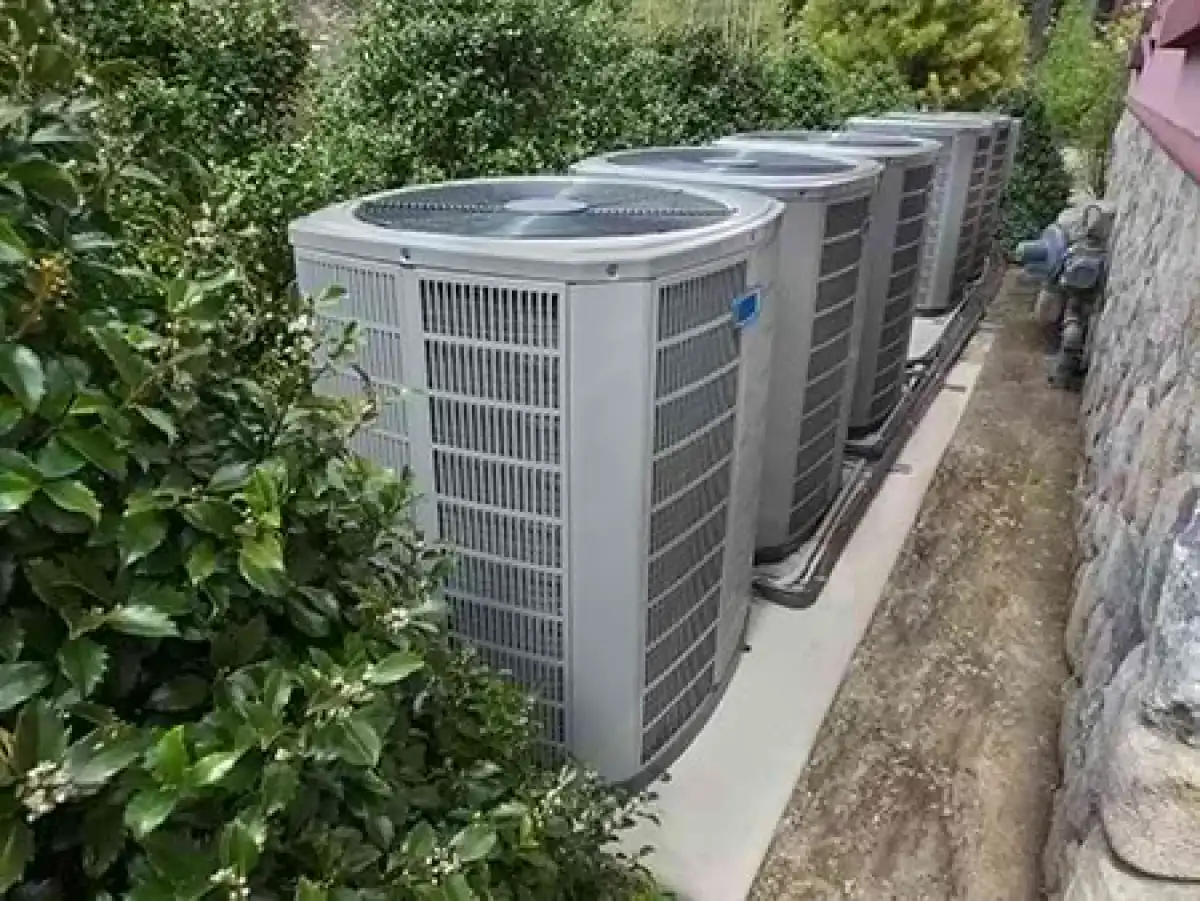
Commercial systems in the San Antonio area run harder than systems in most of the country. The combination of extreme summer temperatures, high humidity, and a cooling season that stretches from spring through fall means these systems accumulate wear faster than national averages account for. A rooftop unit serving a commercial building in La Vernia is doing a fundamentally different job than the same unit sitting on a building in Denver or Chicago.
Humidity is the part that most business owners don’t think about until it causes a problem. When a commercial system loses dehumidification capacity, the building feels uncomfortable even at the right temperature. Employees and customers both notice. The system works harder trying to compensate. Mold risk in drain pans and ductwork increases. What started as a performance issue becomes an air quality issue, and in some industries, that creates compliance exposure on top of everything else.
A Maintenance Plan Costs Less Than One Bad Summer
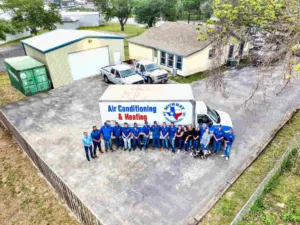
Murray Air Conditioning has been servicing commercial HVAC systems across the San Antonio area and South Texas since 1995. Their licensed technicians work across offices, retail spaces, and commercial buildings throughout La Vernia, San Antonio, and surrounding communities. With a 4.9-star rating across more than 800 reviews, they’ve built their reputation on straightforward assessments and work that holds up through Texas summers.
A preventative maintenance agreement with Murray means your system gets checked before the season puts it under maximum load, not after it’s already struggling. If something is wearing out, you find out in April when you have time to plan, not in July when every contractor in the region is booked solid.
Contact us today to schedule a commercial assessment and find out where your system actually stands heading into the next South Texas summer.